Article
Beyond Loneliness: How to Move from Social Disconnection to Building Social Wealth

Let’s talk about the "L-word." No, not love: though we could all use a bit more of that. We’re talking about loneliness.
In the corporate world, loneliness is often treated like a personal failing or a "soft" HR issue that can be solved with a monthly pizza party or a particularly enthusiastic Slack channel. But here’s the truth: social disconnection isn’t just a "bummer" for your employees; it’s a quiet, persistent drain on your company’s bottom line.
If you’re an HR professional, a Communications leader, or a manager steering a hybrid ship, it’s time to stop looking at connection as a "nice-to-have" and start seeing it as your most valuable asset. At The Communiverse, we call this shift moving from a deficit-based view to a strengths-based narrative.
We’re moving beyond loneliness and toward Social Wealth.
The US$4,200 Invisible Tax
Before we get into the "how-to," let’s look at the "why." If you need to convince your C-suite that social health matters, give them this number: US$4,200.
Research from Cigna (2020) estimates that each lonely worker costs their employer approximately US$4,200 annually in lost productivity and missed workdays. When people feel disconnected, they aren’t just "sad": they are twice as likely to quit within a year, take more unplanned sick days, and their engagement levels plummet.
For a company of 1,000 employees, with 29% impacted by loneliness, that is approximately US$1.2 million a year in addressable cost. The 29% figure comes from Doyle (2025) research with 1,218 remote and hybrid people leaders.
Ask yourself: Can your organisation afford to keep ignoring the relational health of your teams?
- Block time this week to audit your retention stats. Are your "leavers" citing a lack of belonging?
- Create rituals that aren’t just "forced fun." Connection happens in the small, consistent moments, not the annual retreat.
The Relational Design Method: From Deficit to Strength
Most workplace initiatives focus on "fixing" loneliness. They start from a place of lack. But at The Communiverse, we use The Communiverse framework, backed by five years of applied research with over 1,200 leaders, to change the conversation entirely.
Instead of asking, "How do we stop people from being lonely?" we ask, "How do we build Social Wealth?"
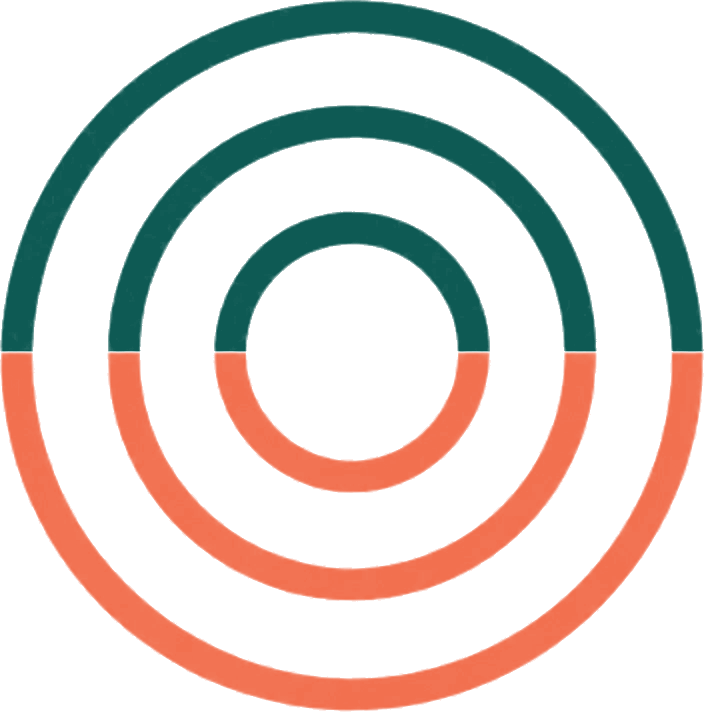
Social Wealth is the intentional design of your social ecosystem. It’s the measurable ability to tap into your relationships for support, innovation, and wellbeing. To get there, we use The Relational Design Method, which looks at your Social Health through concentric circles of connection.
Mapping the Social Ecosystem
To build Social Wealth, you must understand the two types of relational ties:
- Bonding Ties (The Inner Circles): Robert Putnam's term for your "ride or dies." In a work context, these are the close teammates you trust implicitly. They provide emotional support and a sense of safety.
- Bridging Ties (The Outer Circles): Robert Putnam's term for the acquaintances, the colleagues in other departments, and the "weak ties" that provide new information, diverse perspectives, and professional opportunities.
A healthy organisation needs both. If you only have Robert Putnam's bonding ties, you create silos. If you only have Robert Putnam's bridging ties, you create a culture of "polite strangers."
The Remote, Hybrid, and Expat Challenge
Building social health is hard enough when you’re sharing an office. When you’re spread across time zones, it requires an entirely different level of intentionality.
For remote and hybrid leaders, the "watercooler moments" that used to happen by accident now have to be designed by choice. Without a physical space to anchor them, employees can quickly feel like they are working for a screen rather than with a team.
And for expats, those professionals who have uprooted their lives for a career move, the risk of "social bankruptcy" is even higher. You’ve left your existing support systems behind. If your workplace doesn’t provide a pathway to belonging, your tenure at that organisation, and in that city, will likely be short-lived.
How to Activate Your Social Wealth
Whether you’re a leader or an individual contributor, you can begin "activating" your relationships today.
- Ask for a "Social Audit": Look at your calendar. How much of your time is spent on transactional tasks versus relational connection?
- Design Your Ecosystem: Don’t wait for your company to do it. Identify one of Putnam's "bridging ties" you can reach out to this week just to learn what they’re working on.
- Use Strengths-Based Language: Instead of saying "I’m feeling isolated," try "I want to invest in more of Putnam's bridging ties this quarter." It shifts you from a victim of your circumstances to a designer of your environment.
A New Framework for a New Era of Work
The old ways of "team building" are dead. We don’t need more trust falls; we need relational design.
By focusing on Social Health, HR and Communications leaders can create cultures that are not only more productive but more human. When you move beyond the deficit of loneliness and into the abundance of Social Wealth, you’re building a workplace where people actually want to show up.
Your Action Plan for Monday Morning
- Identify one "Relational Risk": Where is the disconnection most visible? For example, a specific department, new hires, or remote managers.
- Share the Data: Send this post to your leadership team. Start the conversation about the cost of disconnection.
- Start Small: Choose one ritual to embed into your next team meeting that focuses on Putnam's "Bridging."
Further learning
- The Social Wealth Guide: Dive deeper into the framework with our introductory guide.
- Social Health in Professional Leadership research: See the data behind The Relational Design Method.
- The Podcast: Listen to interviews with leaders who are putting Social Health first.
The Bottom Line:
Social Wealth isn’t just about feeling good: it’s about building the relational infrastructure that allows your people and your business to thrive in a disconnected world.